MILKYWEH JOURNAL / IDEAS & ANIMATION
3D Animation vs AI Animation: What Malaysian Brands Should Choose
One idea. More than one way to bring it to life. Join Rumiy as we explore where 3D control matters, where AI can help, and how to choose for your next campaign.
Big ideas. The right tools.
3D + AI + human imagination
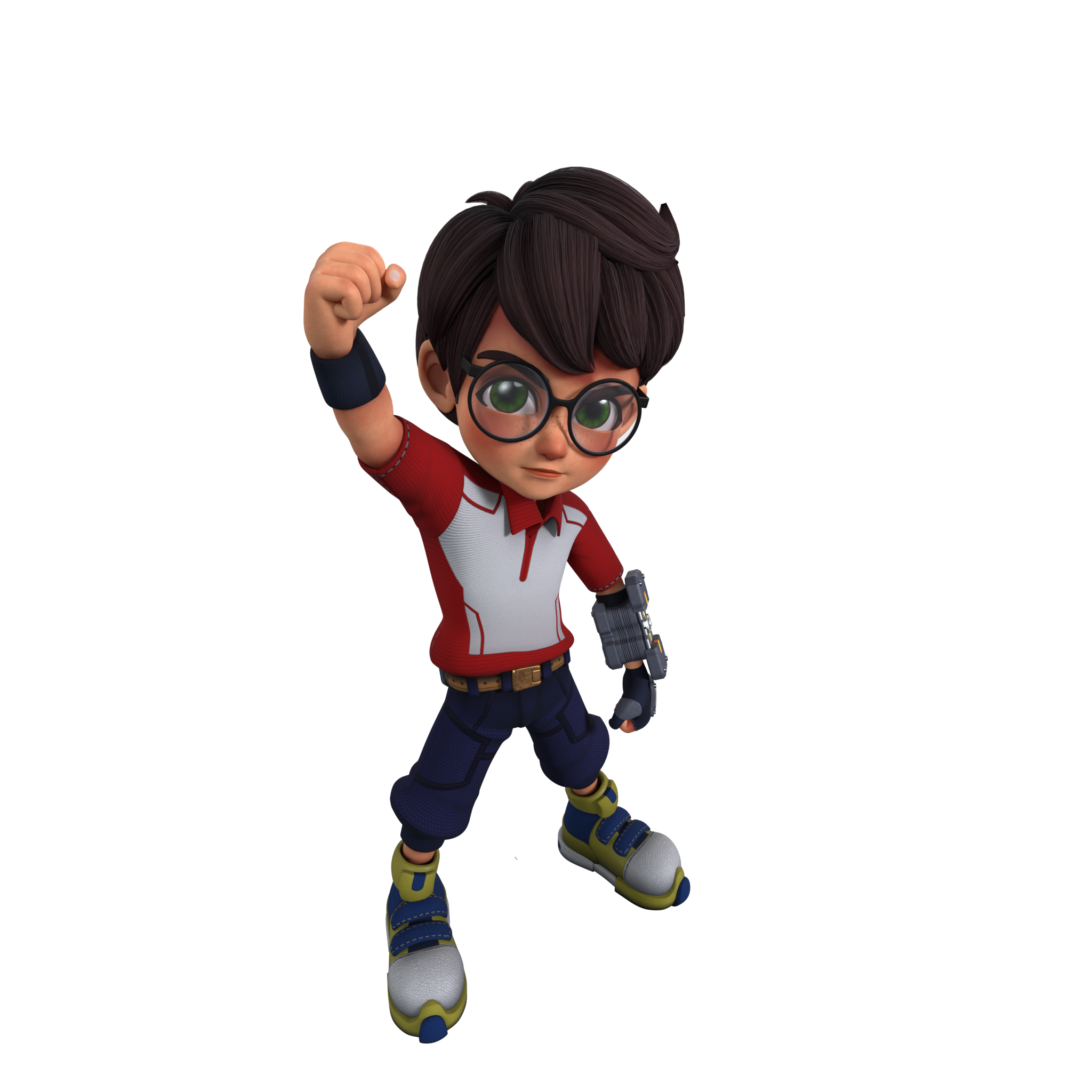
Imagine planning your next brand video. Does the product need to look exact in every frame? Or are you exploring a new visual world? The answer starts with the brief, before you choose the tool.
In this article
- What are we actually comparing?
- Choose 3D when details must stay exact
- Consider AI video for exploration and flexible imagery
- Compare the whole job, not one attractive shot
- A hybrid workflow can keep the best parts of both
- Plan Malaysian campaign versions from the start
- What to include in your animation brief
- A simple way to make the decision
What are we actually comparing?
Traditional 3D animation starts with a scene that artists can edit: models, materials, lights, cameras and movement. A product can be viewed from different angles, relit and animated again using the same underlying asset. Generative AI video creates or transforms moving images from instructions and references. Depending on the tool and workflow, it may not give you an editable 3D scene.
These are production approaches, not competing styles. Either can look realistic or stylised. AI tools can also assist a conventional production, so the useful question is which approach gives your team the control required for this particular brief.
Choose 3D when details must stay exact
For a product launch, small details matter: packaging proportions, a label, a logo, the mechanism inside a device or the position of a button. An approved 3D asset gives the production team an explicit object to work with. Accuracy still depends on good reference material and careful review; it is not automatic.
Consider a Malaysian beverage brand commissioning a rotating bottle shot. If the label and bottle silhouette must match the product throughout, a controlled 3D workflow is a strong starting point. Supply artwork, dimensions and photographs, then approve the model before animation begins. This is a hypothetical brief, not a Milkyweh client case study.
Small details. Big identity.
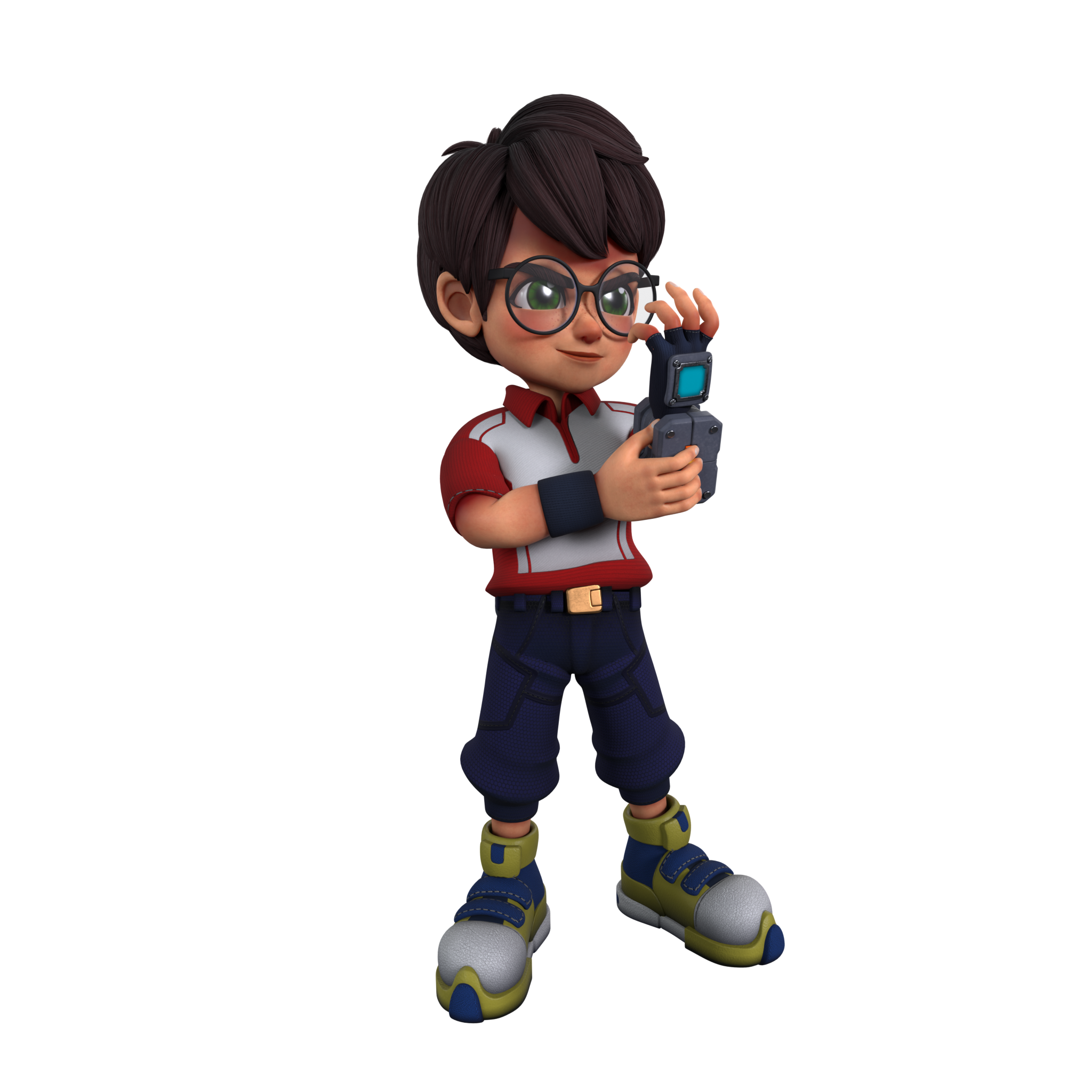
Consistent shapes, colours and expressions help people recognise your character.
Consider AI video for exploration and flexible imagery
Generative video can be useful for exploring mood, visual direction and short concept sequences where the exact geometry is less important. A rough visual can help a team discuss an idea before committing to full production. Its suitability depends on the selected tool, references and the amount of correction the final piece needs.
Do not approve a clip only because one frame looks good. Watch for changes in faces, hands, product shapes, text and motion across the entire shot. Ask whether the team can reproduce a successful result and deliver the requested revision. Tool capabilities change, so request a small test with your own brief rather than relying on a generic demo.
Compare the whole job, not one attractive shot
A campaign usually needs more than a single video: different lengths, vertical and landscape versions, language variants and later updates. Judge a method by how well it delivers that complete set. A quick first draft can still require substantial finishing work; a longer initial 3D setup may be reusable across later shots.
Avoid assuming that AI is always cheaper or 3D is always slower. Compare quotes against the same deliverables, approval stages and revision allowance. Include compositing, editing, sound, captions, checking and the cost of unsuccessful attempts.
3D
Editable assets. Repeatable camera views. Plan for the initial build and the value of reusing it.
AI video
Room to explore visuals. Test consistency and revisions. Budget for attempts and finishing.
A hybrid workflow can keep the best parts of both
One practical approach is to use exploratory imagery to discuss a mood, then build the hero product in 3D and finish the sequence with editing and motion graphics. Another is to keep logos, typography and approved product shots in controlled layers while experimenting with supporting backgrounds.
Decide where experimentation is acceptable and where precision is mandatory before production starts. Every stage should have a named reviewer and an approval checkpoint. If generated material is used, document its source and the relevant usage terms; do not upload confidential references without permission.
Tools move fast. Stories come first.
Choose a workflow that helps your idea reach its audience.
Plan Malaysian campaign versions from the start
If your campaign needs Bahasa Malaysia and English, prepare both scripts early. A translated line can have a different duration and may need a different layout. Confirm subtitles, voice-over pronunciation, on-screen text and whether any additional language versions are actually needed for your audience.
Brief the production team on local context instead of asking for a vague Malaysian look. Supply references for settings, clothing, people and cultural details, then review them with someone who understands the intended audience. AI-generated and traditionally produced work both need this review.
What to include in your animation brief
Start with the business goal and audience: what should the viewer understand or do? List the channels, lengths, aspect ratios, resolution and language versions. Separate non-negotiable details from elements that can be explored.
Provide approved brand guidelines, product references and copy. Ask for a shot list, a proposed production method, a realistic schedule and defined revision rounds. Clarify which source assets you receive, whether they can be reused and what happens if you need a new version later.
A simple way to make the decision
Choose a controlled 3D workflow when exact products, repeatable camera views or reusable assets are central to the brief. Consider generative video for concept exploration or imagery that allows more variation. Choose a hybrid approach when your hero assets need precision and the supporting visuals allow experimentation.
If you are unsure, commission a short proof of concept before approving the full campaign. Test the hardest shot and one realistic revision, then judge the result against your actual brief. That gives you more useful evidence than a general promise about speed or quality.
Have an idea to bring to life?
Share your goal, references and intended deliverables with Milkyweh.
Let’s discuss your project ↗